


Indus Hospital’s commitment to free healthcare appreciated; need for enhanced patient facilitation highlighted
 Web Desk
|
2 hours ago
Web Desk
|
2 hours ago
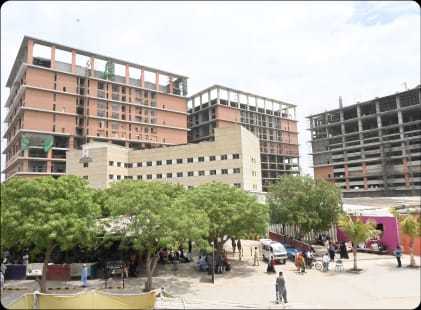
The Indus Hospital, located in Karachi’s Korangi area, has earned widespread recognition for providing free and quality healthcare services to thousands of patients every day. The hospital serves not only residents of Sindh but also patients arriving from different parts of Pakistan, and in some cases from neighboring countries, reflecting the institution’s strong reputation and public trust.
The hospital continues to stand as a ray of hope for underprivileged communities, especially at a time when rising healthcare costs make quality treatment difficult to access for many families. Its contribution toward accessible medical services remains widely appreciated by patients and civil society alike.
Alongside these commendable efforts, visitors and attendants have informally shared observations highlighting opportunities for further improvement in patient facilitation and visitor management, particularly concerning women visiting admitted patients.
A large number of women and young girls visit the hospital daily to accompany or meet their relatives receiving treatment. Given this significant female presence, some visitors have expressed the desire for greater comfort, privacy, and facilitation measures within the hospital premises.
Observers note that security personnel are deployed at various locations across the hospital to maintain order and safety. However, there is growing public interest in ensuring that security staff receive continuous training in patient interaction, respectful communication, and gender-sensitive conduct, helping visitors feel more comfortable while navigating busy hospital areas.
Another area highlighted by visitors relates to crowded lifts and shared movement spaces, where heavy patient flow sometimes creates discomfort, particularly for women. Enhanced crowd management practices or exploring feasible arrangements — such as improved monitoring or facilitation measures — could further strengthen the hospital’s already positive environment.
Community members have also suggested considering the inclusion of female security personnel, especially in areas with high female footfall, as this may enhance confidence and ease for women visitors in line with local social norms.
In addition, stakeholders believe that awareness regarding accessible complaint and feedback mechanisms, particularly those addressing visitor concerns related to safety or conduct, could further reinforce transparency and institutional trust. Clear information about monitoring systems and grievance redressal channels would help visitors feel reassured and heard.
Healthcare experts emphasize that institutions providing large-scale public services continuously evolve by responding to community feedback. Strengthening women-friendly facilities and visitor support systems can complement the hospital’s existing excellence in medical care.
As one of Pakistan’s most respected charitable healthcare institutions, The Indus Hospital already symbolizes compassion and service. Continued attention to visitor experience — especially ensuring safety, dignity, and comfort for women — can further enhance its standing as a model healthcare facility serving society with both medical excellence and social sensitivity.



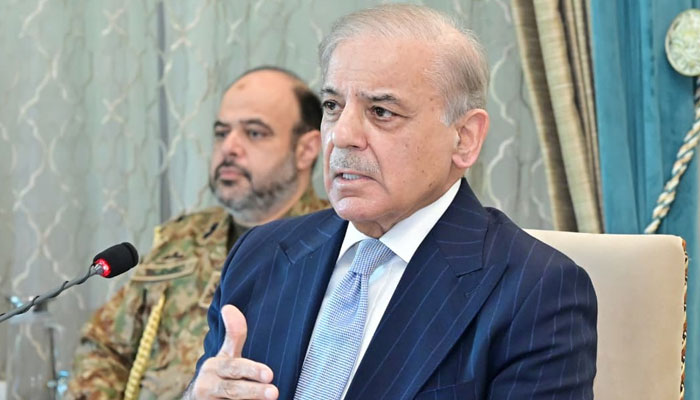


Ishaq Dar discusses Middle East situation with Kuwait’s foreign minister



54 minutes ago
2 hours ago

2 hours ago
3 hours ago
3 hours ago
3 hours ago
- The UAE restores normal air operations after temporary disruption, announced authorities on Friday. The country confirmed that air traffic across…
 Iran’s armed forces have warned that the war involving the United States and Israel could “likely” resume, saying there is…
 US President Donald Trump has informed Congress that hostilities with Iran have been “terminated,” according to a formal letter sent…
- US President Donald Trump has said that the US Navy is acting like “pirates” in its operations targeting Iranian ports,…


- The Indus Hospital, located in Karachi’s Korangi area, has earned widespread recognition for providing free and quality healthcare services to…
 The Healthcare Devices Association of Pakistan (HDAP) has raised serious concerns over the continued presence of banned reusable syringes in…
- Federal health authorities have ordered strict nationwide enforcement of a ban on conventional disposable syringes and initiated a policy review…
 Pakistan’s second national anti-polio campaign of 2026 is continuing across the country, with efforts now in its sixth day as…


- The UAE restores normal air operations after temporary disruption, announced…54 minutes ago
- The Constitutional Court cancels lifetime benefits for Balochistan chief secretaries…2 hours ago
- The Indus Hospital, located in Karachi’s Korangi area, has earned…2 hours ago
- A Belarusian girl reaches Faisalabad for love, converts and marries…3 hours ago